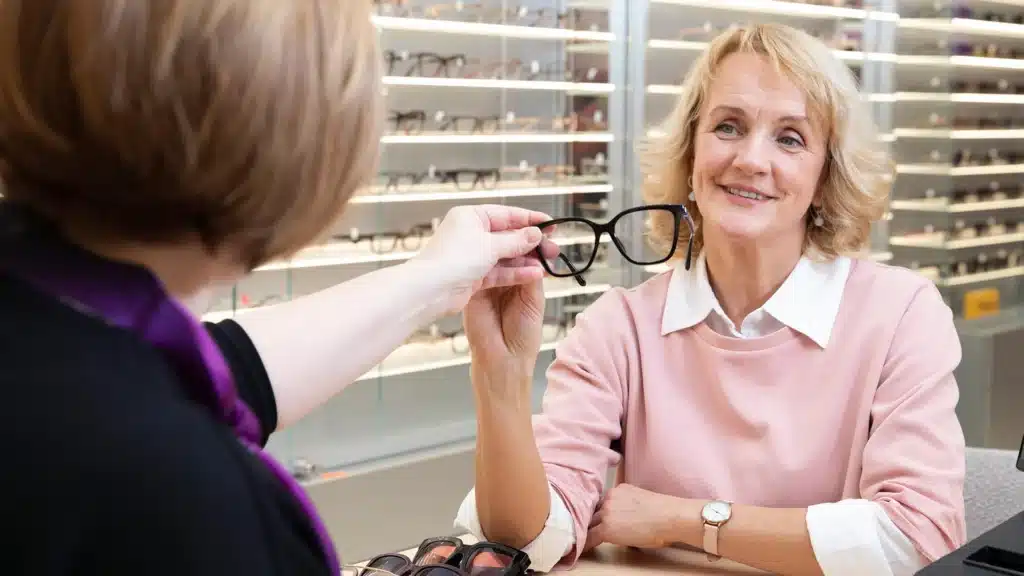
Most people only notice changes in their vision once it starts affecting everyday life – text becomes blurry, eyes get tired quickly, or driving at night no longer feels as comfortable or safe. In reality, these changes often begin much earlier, but so gradually that you simply adapt to them without noticing.
Vision is our most important sense. It’s estimated that more than 80% of the information we process every day comes through our eyes. Even so, eye health often gets overlooked until the first problems appear.
Eye exams aren’t only for people who already have symptoms. They are a preventive step that helps keep your eyes healthy and detect potential issues before they begin affecting daily life. The earlier changes in vision are discovered, the easier it is to find the right solution – whether that means glasses, contact lenses, or further examination if needed.
When is the right time to get an eye exam?
How often you should have your eyes checked depends on your age, daily habits, and whether you’ve noticed any symptoms. Since vision often changes gradually, it’s worth having regular eye exams even if everything seems fine.
Children’s eye exams: when and why they matter?
A child’s vision develops quickly, and changes can directly affect learning, reading, and concentration. Children’s eyesight is usually checked during visits to a family doctor or pediatrician, but it’s also recommended to have a more thorough eye exam around the age of 3 and again before starting school.
During school years, it’s a good idea to have vision checked every 1–2 years, as eyesight can change rapidly during growth periods. If a child holds books very close, squints frequently, or complains about headaches, an eye exam should be booked as soon as possible.
How often should adults have an eye exam?
If you don’t have any symptoms, a vision check every 1–2 years is usually enough. For people who wear glasses or contact lenses, yearly eye exams are recommended. Even small changes in vision can affect comfort, productivity, and cause eye strain or fatigue.
Why eye exams become more important after 40?
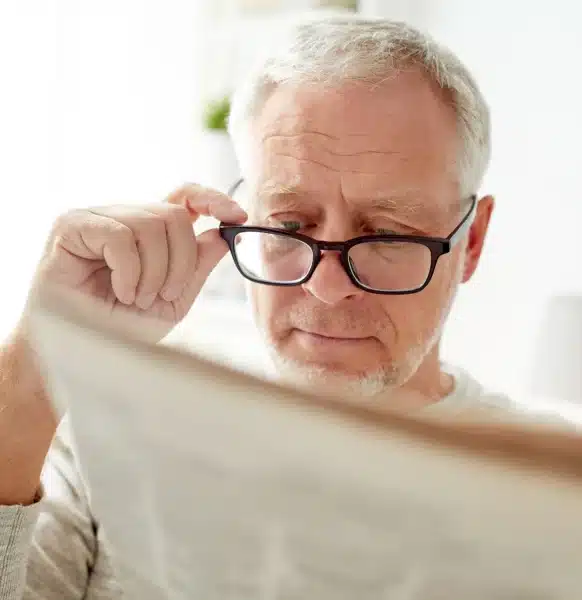
From around the age of 40, age-related farsightedness, known as presbyopia, may begin to develop. This can make close-up vision more difficult. Reading a book or looking at your phone may become uncomfortable, and you may notice yourself holding text farther away to see it clearly.
At the same time, the risk of eye conditions such as glaucoma also increases with age. That’s why regular eye exams, at least once a year, are important even if you don’t currently have any noticeable symptoms.
Eye health and working with screens
If you spend much of your day in front of a computer or phone screen, your eyes are under constant strain. One of the main reasons is that we blink much less while looking at screens, and blinking is what keeps the surface of the eye properly moisturized. As a result, many people experience dryness, irritation, difficulty focusing, and tired eyes – symptoms that are often mistaken for general fatigue.
If screen time makes up a large part of your workday, it’s recommended to have an eye exam at least once a year. A specialist can assess whether your current prescription is suitable for screen work and recommend computer glasses or other solutions to reduce everyday strain on your eyes.
Signs that you should book an eye exam
Your body usually lets you know when something isn’t right with your eyes. If you notice changes in your vision or how your eyes feel, it’s worth having them checked.
Blurry or unclear vision
If your vision is no longer sharp, text becomes blurry, or you constantly need to strain your eyes to focus, it’s time to have your eyesight checked. These symptoms often point to nearsightedness, farsightedness, or astigmatism – conditions that are usually easy to correct when caught early.
Headaches and eye fatigue
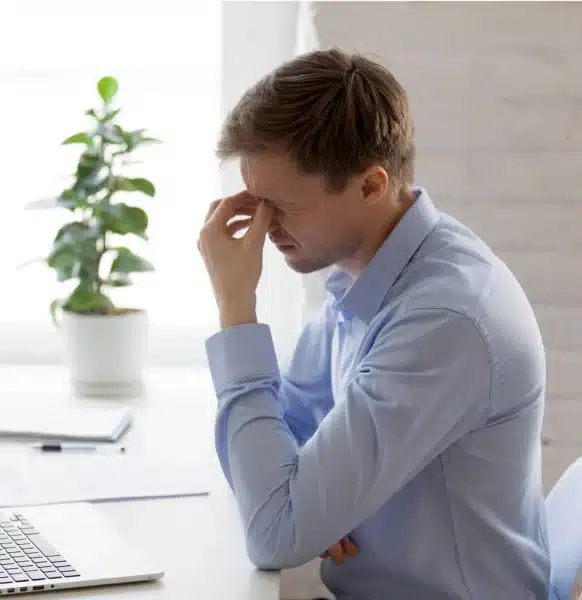
Frequent headaches or tired eyes at the end of the day can be a sign that your eyes are working harder than they should. Often, the cause is an outdated prescription or vision that is no longer properly corrected. An eye exam can help determine the reason behind these symptoms.
Double vision
If you start seeing double, it should never be ignored. It may indicate a problem with how the eyes work together or another more serious condition that requires immediate attention.
Difficulty seeing in low light
If you notice that your vision in dim lighting has worsened, you need more light to read, or driving at night feels less comfortable than before, it’s a good idea to have your eyes checked. Poor night vision usually does not improve on its own, and the sooner the cause is identified, the easier it is to address.
Do you need an eye exam even if everything seems fine?
Not all eye conditions show symptoms early on. Some develop slowly and silently while gradually damaging vision over time. Conditions such as glaucoma or retinal changes can go unnoticed for years while still causing permanent damage.
Regular eye exams help detect these changes before they begin affecting everyday life. When problems are found early, they are often easier to correct, monitor, or slow down.
During an eye exam, a specialist can:
- detect vision problems early
- help prevent eye conditions from worsening
- assess the overall health of your eyes
- ensure your glasses or contact lens prescription is accurate
What happens during an eye exam?
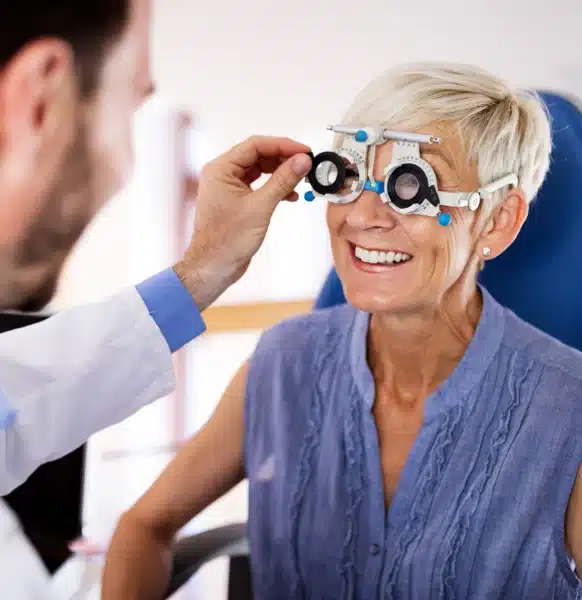
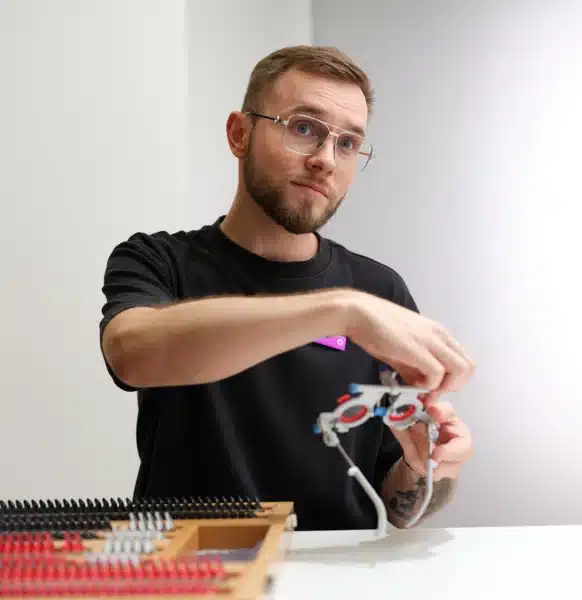
An eye exam is simple, painless, and usually takes around 20–30 minutes. During the appointment, both your vision and overall eye health are assessed. The exam begins with a conversation about your vision habits and any symptoms you may have noticed. This helps the specialist understand your daily needs and whether your vision has changed.
Next, an initial measurement is taken using a diagnostic device that evaluates the optical properties of the eye and helps guide the rest of the exam. Your vision is then checked using eye charts. If correction is needed, additional measurements are done using trial frames to determine the most suitable prescription. If necessary, the front part of the eye and eye pressure may also be examined.
Based on the results, the specialist can determine whether you need glasses or contact lenses and whether additional examinations – including retinal imaging or further eye health checks – are necessary.
How often should you have your eyes checked?
General recommendations:
- If you don’t have symptoms, have your eyes checked every 1–2 years
- If you wear glasses or contact lenses, yearly eye exams are recommended
- From the age of 40, regular yearly eye exams are advised
- If you notice changes in vision, eye strain, headaches, or other concerning symptoms, book an appointment as soon as possible
If you’re unsure whether you should have your eyes checked, it’s usually better not to wait. An eye exam can either give you peace of mind or help identify a problem early.
Should you see an optometrist or an ophthalmologist?
People often wonder whether they should book an appointment with an optometrist or an ophthalmologist. The right choice depends mainly on whether you need a routine vision check or there’s a concern about an eye condition.
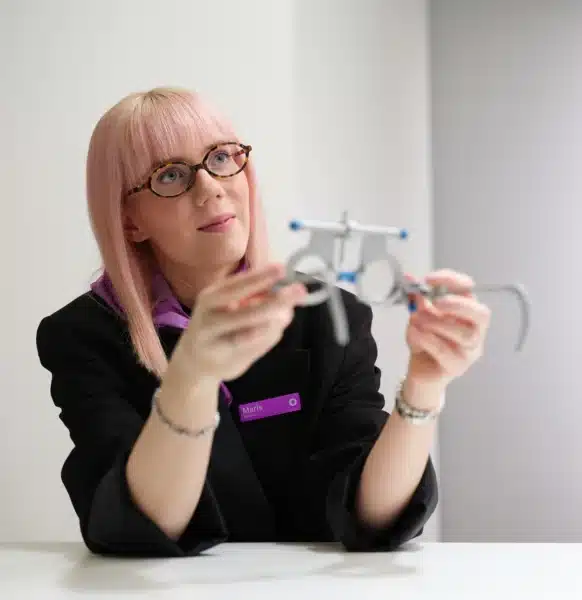
An optometrist is a primary eye care specialist who focuses on vision testing and correction. You should visit an optometrist if you want to check your eyesight, update your glasses or contact lens prescription, or if you feel your vision has changed. They can also assess the general condition of your eyes and refer you to an ophthalmologist if needed.
An ophthalmologist is a medical doctor who diagnoses and treats eye diseases. In addition to prescribing glasses or contact lenses, they deal with issues such as eye pain, sudden vision loss, inflammation, injuries, and other more serious conditions.
In most cases, people begin with an optometrist — especially when it comes to routine eye exams or prescription updates. If further medical evaluation or treatment is necessary, you will be referred to an ophthalmologist.
When was the last time you had your eyes checked?
Vision often changes gradually, which is exactly why regular eye exams are important, not just when symptoms become noticeable. Changes detected early are easier to correct and manage, helping you maintain healthy vision for longer.
Book an appointment with an Eagle Vision optometrist or ophthalmologist and take the first step toward healthier vision.